
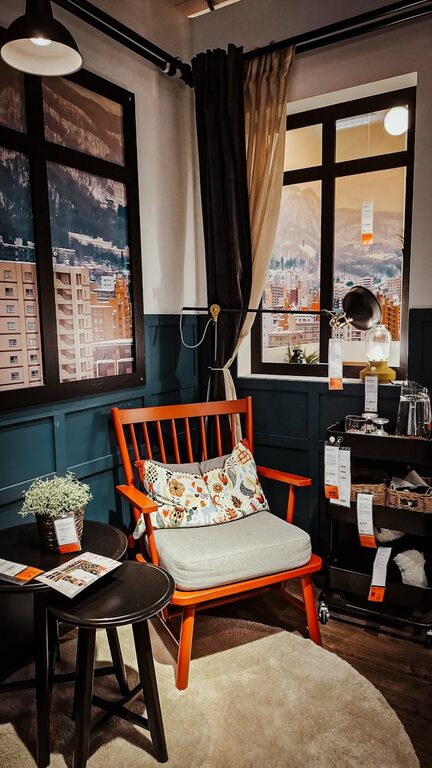
Creating a cozy and inviting atmosphere at home starts with the right lighting. While many focus on style and brightness, comfortable lighting goes beyond looks—it supports relaxation, productivity, and well-being. Whether you’re redesigning a room or just updating your fixtures, thoughtful choices can transform how you experience your space.
In this post, we’ll explore practical tips for choosing comfortable home lighting that suits your needs, complements your décor, and promotes a pleasant environment.
Why Comfortable Lighting Matters
Lighting affects more than just visibility. It influences mood, energy levels, and even sleep patterns. Harsh or overly dim light can cause eye strain and discomfort, while well-balanced lighting makes activities like reading, cooking, or relaxing more enjoyable.
When selecting home lighting, aim for comfort by considering factors such as light color, intensity, placement, and fixture style.
Understand Different Types of Lighting
Comfortable home lighting often involves layering different kinds of light to suit various tasks and moods. Here are the three main types:
1. Ambient Lighting
This is the general lighting that illuminates the entire room. It creates an overall level of brightness and sets the foundation for other lighting. Common sources include ceiling fixtures, chandeliers, and recessed lights.
2. Task Lighting
Designed to light up specific areas where activities occur, task lighting helps with focused work like reading, cooking, or crafting. Desk lamps, under-cabinet lights, and adjustable floor lamps serve this purpose.
3. Accent Lighting
Accent lighting highlights features such as artwork, plants, or architectural details. It adds depth and visual interest using spotlights, wall sconces, or LED strips.
Combining these three types creates a balanced and comfortable lighting scheme.
Choose the Right Bulbs for Comfort
The type of bulb you pick greatly impacts lighting quality. Here are key factors to consider:
Color Temperature
Measured in Kelvin (K), color temperature affects how warm or cool light appears.
– Warm light (2700K–3000K): Produces a soft, yellowish glow that feels cozy and relaxing. Ideal for living rooms and bedrooms.
– Neutral white (3500K–4500K): Offers a balanced white light, good for kitchens and bathrooms.
– Cool light (5000K+): Emits a bright, bluish tint, which helps with concentration but may feel harsh for everyday living spaces.
For comfort, warm to neutral white lights are usually best.
Brightness
Measured in lumens, brightness should match the room’s size and purpose.
– Living rooms: 1,500–3,000 lumens total
– Bedrooms: around 1,000–2,000 lumens
– Kitchens and workspaces: brighter, about 3,000–4,000 lumens
Consider dimmable bulbs or fixtures to adjust brightness easily.
Energy Efficiency
LED bulbs consume less energy and last longer than traditional incandescent or fluorescent bulbs, making them environmentally friendly and cost-effective.
Fixture Style and Light Direction
The fixture you choose affects both the style and comfort of lighting.
– Diffused light: Fixtures with shades or frosted glass soften brightness and reduce glare.
– Adjustable fixtures: Lamps with adjustable heads let you direct light where needed.
– Avoid bare bulbs: Exposed bulbs can cause harsh glare, leading to discomfort.
Match fixture styles to your room’s décor for a cohesive look.
Consider Room Function and Activities
Different rooms require different lighting considerations:
– Living Room: Create a warm, inviting space with layered lighting. Use a combination of ambient ceiling lights, table lamps for reading, and accent lights for décor.
– Bedroom: Opt for softer, dimmable lights that promote relaxation. Bedside lamps with warm tones are great for nighttime reading.
– Kitchen: Bright task lighting is essential here. Use under-cabinet lights to illuminate counters and overhead fixtures for overall brightness.
– Home Office: Prioritize adjustable task lighting to reduce eye strain during work.
– Bathroom: Combine natural light with bright, shadow-free fixtures around mirrors for grooming tasks.
Placement Tips for Comfortable Lighting
– Avoid placing lights directly in your line of sight to prevent glare.
– Position task lights close to the work area but outside your direct field of vision.
– Use multiple light sources instead of one central fixture to create even illumination.
– Incorporate dimmer switches for flexibility in adjusting light based on time of day or activity.
Create Ambiance with Color and Control
Modern lighting technology offers ways to customize your lighting experience:
– Smart bulbs: Change brightness and color temperature with your smartphone or voice commands.
– Color-changing LEDs: Set moods by adjusting colors—cool blues for focus, warm ambers for relaxation.
– Automated schedules: Program lights to simulate sunrise or sunset, helping regulate your natural circadian rhythms.
These options enhance comfort by providing control and adaptability.
Final Thoughts
Choosing comfortable home lighting doesn’t have to be complicated. Focus on layering ambient, task, and accent lighting while selecting bulbs with the right color temperature and brightness. Pay attention to fixture style and placement, and make your space flexible with dimmers or smart lighting.
With these tips, you can create a well-lit, cozy home environment that supports your lifestyle and uplifts your mood.
—
Feel free to experiment with different lighting arrangements to discover what feels best for you! Remember, good lighting is an investment in comfort and enjoyment every day.