
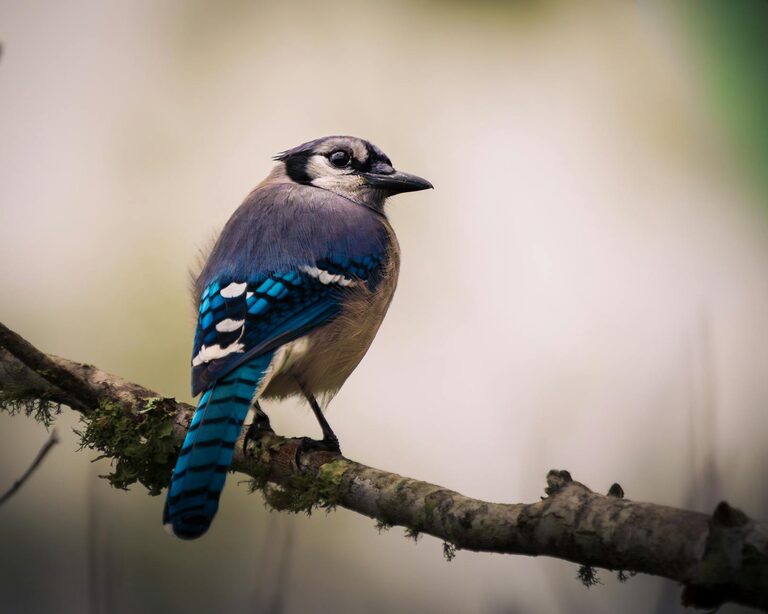
Birdwatching is a relaxing and rewarding hobby that gets you outside and helps you appreciate the beauty of nature in your own backyard. Whether you live in a bustling city or a quiet suburb, birds are everywhere — you just have to know how to spot and attract them. If you’re new to birdwatching, this guide offers practical tips to get you started on the right foot.
Why Backyard Birdwatching?
Birdwatching is more than just spotting pretty birds. It’s a way to connect with nature, reduce stress, and learn about the environment around you. Watching birds in your backyard lets you observe their behaviors up close—from singing songs to building nests—all from the comfort of your home.
Equipment You Need
One of the best things about backyard birdwatching is how little gear you actually need. Here’s a quick list of essentials:
– Binoculars: A good pair of binoculars helps you see details without disturbing the birds.
– Field Guide or App: Birds come in many shapes and colors, so having a guide or a bird ID app on your phone is great for identifying species.
– Notebook and Pencil: Jot down what you see and when—it’s fun to track your sightings over time.
– Comfortable Seating: A bench or chair placed near a window or feeders allows comfortable and patient observation.
Tips for Attracting Birds to Your Backyard
Birds need food, water, and shelter just like any other animal. By providing these in your yard, you’ll encourage a variety of birds to visit regularly.
1. Choose the Right Feeders
Different birds prefer different types of feeders and food:
– Tube Feeders: Great for finches and small songbirds.
– Platform Feeders: Attract a variety of birds including cardinals and jays.
– Suet Feeders: Perfect for woodpeckers and other insect-eating birds.
2. Offer a Variety of Bird Food
Consider offering several types of birdseed and treats:
– Black oil sunflower seeds are popular with many species.
– Nyjer (thistle) seed is loved by goldfinches.
– Suet cakes provide energy for woodpeckers and nuthatches.
3. Provide Fresh Water
Birds need water for drinking and bathing. A simple birdbath placed in a quiet area will attract visits. Remember to clean and refill it regularly, especially during hot weather.
4. Create Shelter and Nesting Spots
Planting native shrubs and trees gives birds places to hide and build nests. You can also install birdhouses designed for local species.
Best Practices for Observing Birds
Patience is key in birdwatching. Birds may be shy at first but will become more comfortable over time.
1. Watch Quietly and Still
Avoid sudden movements or loud noises near your observation spot. This helps birds feel safe and encourages longer visits.
2. Observe at Different Times of Day
Bird activity varies throughout the day. Early morning and late afternoon are usually the best times to see a variety of birds.
3. Record Your Sightings
Keep a birdwatching journal or use an app to track what species you’ve seen, when, and under what conditions.
Learning More About Birds
As you gain experience, you may want to delve deeper. Here are a few ideas:
– Join a local birdwatching club or group.
– Participate in citizen science projects like the Audubon Christmas Bird Count.
– Attend birdwatching workshops or nature walks organized by local parks.
Common Backyard Birds to Look For
Depending on where you live, you might spot:
– Chickadees
– Cardinals
– Blue Jays
– Sparrows
– Woodpeckers
– Finches
– Robins
Familiarizing yourself with these common species can boost your confidence as a beginner birder.
Summary: Enjoying Your Birdwatching Journey
Backyard birdwatching is an accessible and enjoyable way to experience wildlife. With a little preparation—providing food, water, and shelter—you can turn your outdoor space into a haven for birds. Remember to observe patiently, take notes, and have fun discovering the wonderful variety of birds visiting your yard.
Happy birdwatching!