
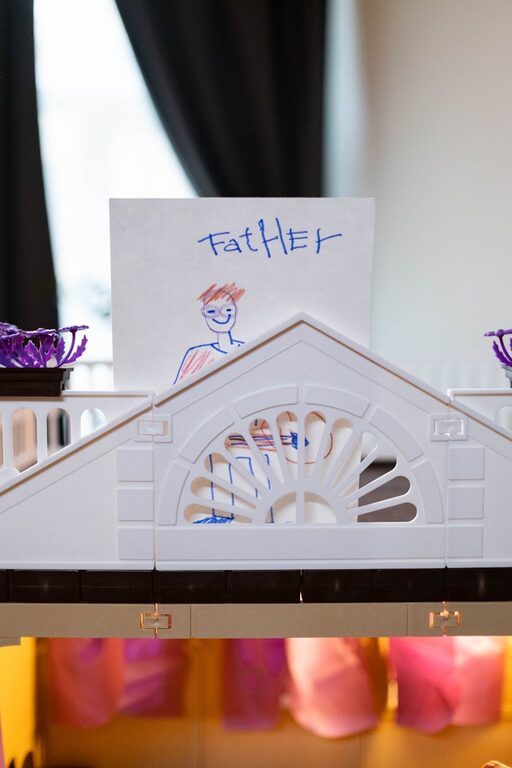
Bringing home your child’s colorful drawings, paintings, and craft projects is a joy for any parent. These creative masterpieces capture their imagination and growth, but over time, the accumulation can lead to clutter. Without a system in place, it’s easy for those precious artworks to get lost, damaged, or overwhelm your storage space. The good news is there are practical ways to organize kids’ art that keep your home tidy and preserve memories for years to come.
In this post, we’ll share helpful tips and ideas to keep your child’s art organized, from sorting and storing to display options that celebrate their creativity.
Why Organize Kids’ Art?
Before diving into specific strategies, it’s worth considering why organization matters:
– Preserves memories: Artwork reflects milestones and growth stages.
– Saves space: Prevents piles from taking over your home.
– Easy access: Quickly find specific pieces to display or share.
– Minimizes clutter: Creates a neat and welcoming environment.
With these benefits in mind, let’s explore practical methods you can implement today.
Sort and Select Regularly
One key habit to maintain is regularly sorting through new artwork.
Step 1: Create a Receiving Station
Set up a dedicated spot like a bin or basket where your child can place finished art. This keeps incoming pieces from scattering around the house.
Step 2: Review Together Weekly
Spend a few minutes each week going through the collection with your child. Decide which pieces to keep, which to recycle, and which can be gifted to family members.
Step 3: Limit Keepers
To avoid overwhelming storage needs, consider setting limits such as:
– One storage folder or box per month or school term
– Keeping only the most meaningful or unique pieces
This approach teaches decision-making and respect for space.
Use Proper Storage Solutions
Choosing the right storage keeps artwork safe and easy to manage.
Flat Storage Options
– Portfolio folders: Large, flat folders hold multiple sheets and protect them from folding.
– Expandable file organizers: Great for categorizing by date or theme.
– Labeled binders with plastic sleeves: Easy to flip through and add notes.
Box Storage
– Plastic storage boxes: Durable and stackable; label by year or child.
– Memory boxes: Decorative boxes that can store 3D art or bulkier projects.
Digital Archives
Don’t forget to digitize artwork by photographing or scanning them. This reduces physical clutter while keeping a permanent record. You can organize digital files by date or project theme on your computer or cloud storage.
Display Art Creatively
Showing off your child’s work can boost their confidence and beautify your home.
Dedicated Gallery Space
– Cork boards or magnetic strips: Rotate new art easily.
– Clipboards on the wall: Swap pieces quickly.
– Frames with easy-open backs: Display favorites in a polished way.
Art Books
Create photo books compiling scanned or photographed artwork. Services like photo printing sites offer customizable options that make thoughtful keepsakes.
String and Clips
Hang a string or wire along a wall and use clothespins to display multiple pieces. It’s flexible and fun to change.
Involve Your Child in the Process
Including kids in organizing teaches responsibility and pride.
– Let them decorate storage boxes or folders.
– Encourage choosing display pieces.
– Make sorting an enjoyable routine.
Their input ensures the system suits their preferences and needs.
Maintain the System
The best system functions only if maintained.
– Set regular intervals (monthly or quarterly) to review art collections.
– Refresh displays to keep them interesting.
– Archive or recycle old items as needed.
Consistency makes the workload manageable and keeps your space under control.
Bonus Tips
– Use clear labeling with dates and descriptions.
– Store artwork away from direct sunlight to prevent fading.
– Keep crafting supplies organized nearby to encourage ongoing creativity.
Conclusion
Organizing kids’ art balances preserving cherished memories and managing household clutter. By developing simple routines, selecting suitable storage, and creatively displaying pieces, you honor your child’s creativity while maintaining a neat and happy home. Start small, involve your child, and enjoy celebrating their artistic journey for years to come!