
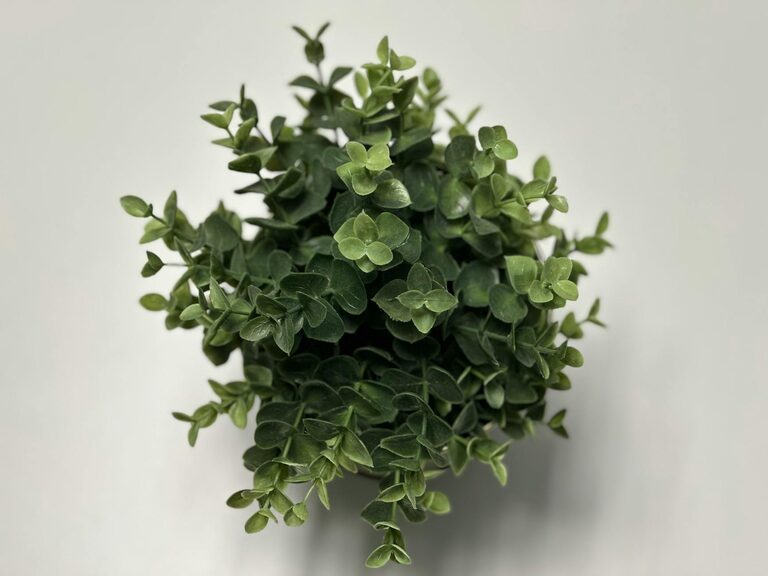
Bringing plants into your home is a wonderful way to refresh your space and create a calming, inviting atmosphere. Not only do plants add natural beauty and a pop of color, but they can also improve air quality and contribute to a healthier living environment. Whether you’re new to plant care or looking to update your green collection, these tips will help you transform your home into a vibrant sanctuary.
Why Add Plants to Your Home?
Plants bring many benefits beyond their aesthetic appeal:
– Improved air quality: Many houseplants filter toxins and increase oxygen levels.
– Mood booster: Being around greenery helps reduce stress and boost happiness.
– Natural decor: Plants add texture, color, and life to any room’s design.
– Versatility: Available in a variety of sizes to fit small apartments or large living areas.
Choosing the Right Plants for Your Space
Before purchasing plants, consider your home’s lighting, space, and the effort you want to dedicate to plant care.
Assess Lighting Conditions
– Bright sunlight: Plants like succulents, cacti, and fiddle leaf figs thrive in bright light.
– Low to medium light: Choose adaptable plants like snake plants, pothos, or peace lilies.
– Indirect light: Ferns, spider plants, and philodendrons do well away from direct sun.
Consider Your Space and Style
– Small spaces: Opt for compact plants that fit shelves, windowsills, or desks.
– Large rooms: Tall plants or dramatic broad-leaf varieties make excellent focal points.
– Hanging plants: Use trailing varieties like string of pearls or ivy to utilize vertical space creatively.
Ease of Care
– Low maintenance: Succulents, snake plants, and ZZ plants need minimal watering.
– Moderate care: Peace lilies and ferns require regular watering and humidity.
– High maintenance: Orchids and some tropical plants need specific care routines.
Creative Ways to Display Plants at Home
Once you select your plants, how you display them can make a big difference in your home’s look.
Use Varied Planter Styles
– Choose pots that complement your decor—ceramic, terracotta, woven baskets, or modern metallic finishes.
– Mix and match sizes and shapes for visual interest.
Group Plants Together
– Create small clusters on shelves or windowsills for a lush, natural feel.
– Group plants with similar care needs to simplify maintenance.
Utilize Different Heights
– Place some plants on stands or plant stools.
– Hang others in macrame hangers near windows.
– Use tall plants to fill empty corners or as room dividers.
Incorporate Plants Into Functional Spaces
– Add herbs in the kitchen for fresh seasoning and a green touch.
– Place an air-purifying plant in the bedroom to promote restful sleep.
Basic Plant Care Tips to Keep Your Greenery Thriving
Keeping plants healthy ensures your home stays fresh and inviting.
Watering
– Check soil moisture before watering; avoid overwatering which can lead to root rot.
– Use pots with drainage holes to prevent water buildup.
Lighting
– Rotate plants regularly to ensure even light exposure.
– Adjust placement seasonally as daylight changes.
Feeding
– Use a balanced, water-soluble fertilizer during growing seasons (spring and summer).
– Follow instructions on fertilizer packaging to avoid overfeeding.
Cleaning
– Dust leaves gently with a damp cloth to keep plants healthy and looking their best.
– Trim dead or yellowing leaves to encourage new growth.
Final Thoughts: Making Plants a Part of Your Lifestyle
Refreshing your home with plants doesn’t have to be complicated. Start small with one or two easy-care plants and gradually build your green collection. Over time, you’ll develop a routine that fits your lifestyle and enjoy the many benefits plants bring to your home environment.
By thoughtfully selecting and arranging plants, you can create a vibrant, refreshing space that feels welcoming every day. Happy planting!